What to Do When Your Crowdfunding Campaign Stalls in the Middle
Apr 24, 2026

You launched strongly. The first few days were exciting. Pledges were coming in, your email list showed up, and for a moment, it felt like the campaign was going to fund itself.
Then it stopped.
The pledge counter sits in the same place it has been for four days. Your ad costs are climbing. Backer comments have slowed down. You refresh the page every hour, hoping something has changed, but it has not.
This is the mid-campaign slump. It happens to almost every crowdfunding campaign that runs longer than two weeks, including ones that eventually fund successfully. It is not a sign that your campaign is failing. But it is a sign that you need to do something different, and do it quickly, because the longer a campaign sits flat, the harder it becomes to recover.
Here is what is actually happening and what you can do about it.
Why Campaigns Stall in the Middle
Understanding why the slump happens makes it a lot easier to know what to fix.
Your warmest audience backs you in the first few days. These are your email subscribers, your social followers, your personal network, the people who have been watching what you are building and were ready to back you the moment the campaign went live. Once that group has converted, you are left trying to reach people who are colder, less familiar with you, and harder to convince.
At the same time, the natural urgency that drives backing behavior is at its lowest point in the middle of a campaign. The excitement of the launch has faded. The deadline is still far enough away that nobody feels the need to act now. Without urgency and without a warm audience, pledges slow down. Sometimes they stop almost entirely.
This is completely predictable. The campaigns that handle it well are the ones that saw it coming and had a plan ready.
The First Thing to Do Is Diagnose the Real Problem
Before you change anything, you need to understand where the breakdown is actually happening.
Look at your campaign analytics. Is traffic to your page down, or is traffic steady, but conversion has dropped? These are two completely different problems.
If traffic is down, your marketing is not reaching enough new people. The fix is about distribution, getting your campaign in front of more eyeballs through ads, press, communities, or partnerships.
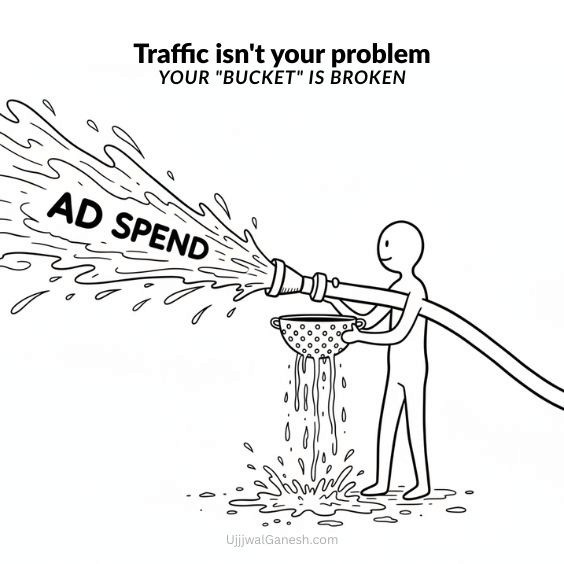
If traffic is steady but conversion has dropped, people are landing on your page and leaving without backing. The fix is about the page itself or the offer. Maybe your reward tiers are not compelling enough. Maybe your page is not answering the questions people have at this stage of the campaign. Maybe your social proof has not been updated recently, and the page looks stale.
Trying to fix a traffic problem with page changes or a conversion problem with more ad spend is a waste of time and money. Diagnose first.
Refresh Your Creative and Your Messaging
By the middle of your campaign, the ads and social posts you launched have been seen by your core audience multiple times. They are no longer interesting to the people who have already seen them, and they may not be relevant to the new audiences you are trying to reach.
Fresh creative is one of the fastest ways to wake a stalled campaign back up.
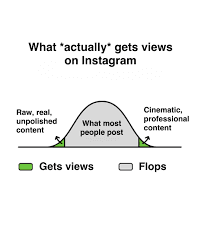
Film a new short video. It does not need to be produced. A sixty-second update from you personally, talking directly to the camera about where the campaign stands, what you are building, and why it matters, and why backing now rather than later is the right call, can outperform polished creative at this stage because it feels real.
Write new ad copy that speaks specifically to the middle of the campaign rather than recycling your launch messaging. Mention how many backers you have so far. Talk about what has happened since launch. Give people who are seeing you for the first time a reason to trust that this campaign is real and on track.
Update your campaign page with fresh content. Add a section that was not there at launch. Include backer photos if any have come in. Add answers to the questions you have been getting in comments and messages. A page that looks like it is being actively maintained signals that the creator is present and the campaign is alive.
Launch a Stretch Goal
Stretch goals are one of the most effective tools for injecting momentum into the middle of a campaign, and one of the most underused.
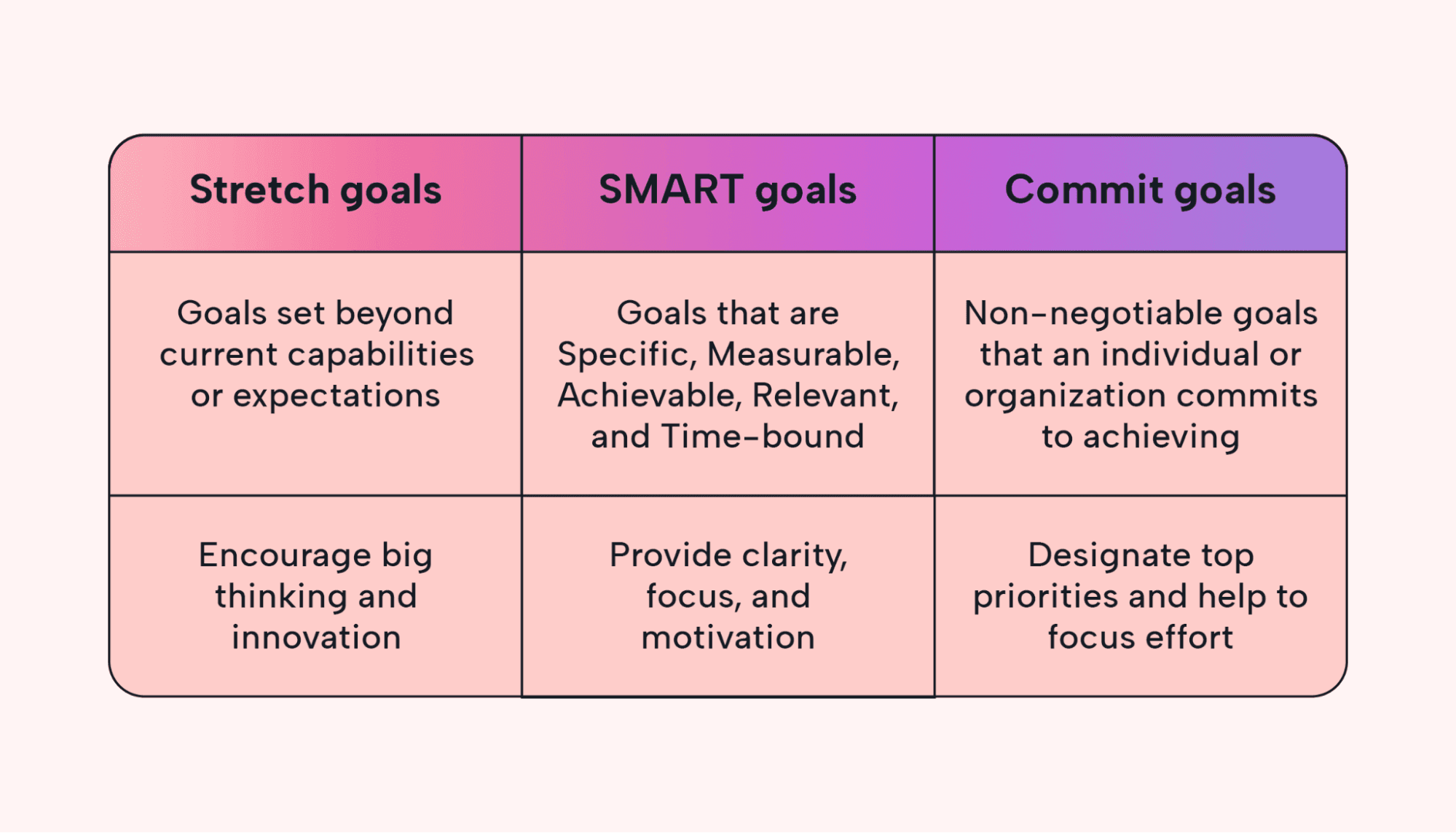
A stretch goal gives backers who have already pledged a reason to share the campaign again. It gives people who have been watching from the sidelines a new reason to back now. And it gives you something genuinely new to talk about, both on the campaign page and in your marketing.
The stretch goal itself needs to be something your backers actually want. An additional color option, a new feature, an upgraded component, a companion product, or a meaningful improvement to what is already being offered. The vaguer and less exciting the stretch goal, the less it moves the needle.
Announce it with real energy. A stretch goal buried in a campaign update that nobody reads is not going to help. Make it prominent on your page, build a dedicated email around it, talk about it in your ads, and give your existing backers a clear and easy way to share it with their networks.
Go Back to Your Email List
Your email subscribers backed you at a higher rate than anyone else during your launch. The ones who did not back you in the first few days are not necessarily lost. They just did not act yet.
Send a personal, direct email to your non-backer subscribers. Not a mass marketing email. Something that feels like it came from a human being who is genuinely excited about what they are building and wants to bring this specific person along.
Tell them where the campaign stands. Share something you have learned or something that has happened since launch that they would not know about unless they were a backer. Give them a reason to act now that is specific and honest, whether that is an early bird tier running out, a stretch goal that is within reach, or simply the fact that the campaign has a deadline and the window to be part of it is closing.
A well-written mid-campaign email to your existing list consistently produces one of the best returns of any channel available to you at this stage. Most creators send one email on launch day and then go quiet. Do not make that mistake.
Find New Audiences Through Press and Communities
If you have been relying entirely on paid ads and your own social channels, the middle of the campaign is a good time to think about where else your potential backers are spending time.
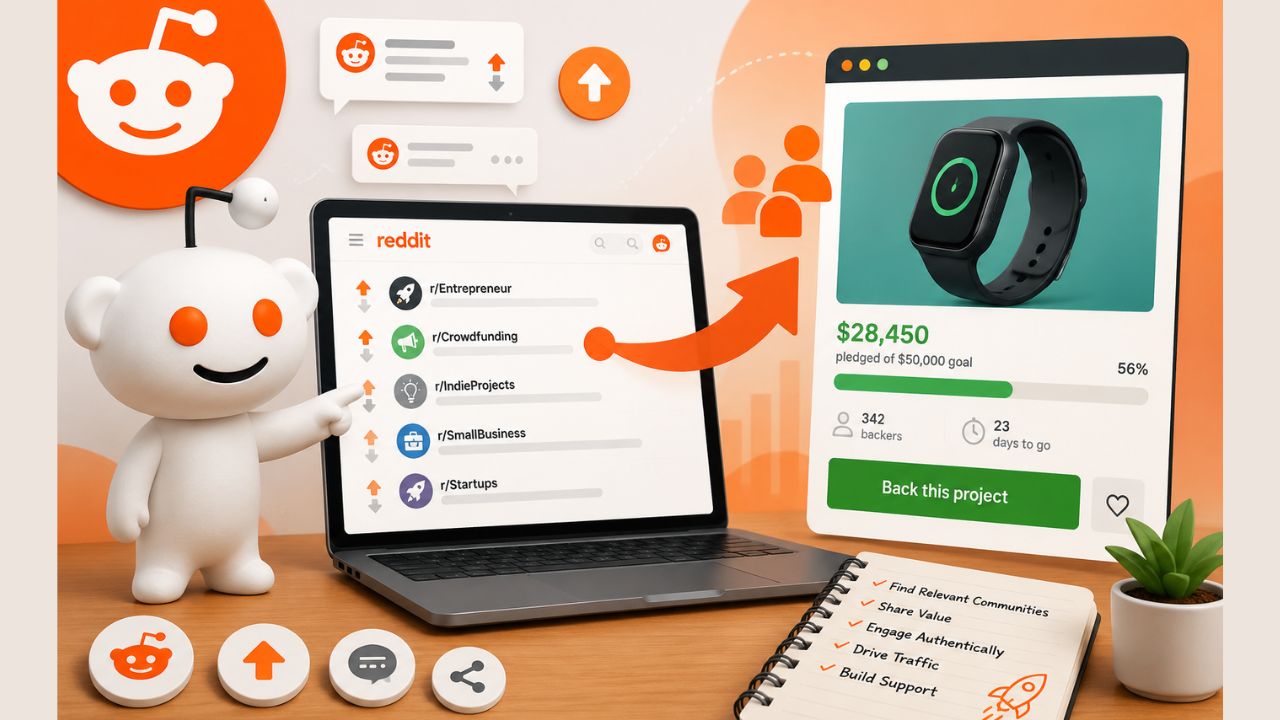
Relevant online communities can be a meaningful source of mid-campaign traffic if you approach them correctly. Reddit, Facebook groups, Discord servers, forums, and niche communities related to your product category all contain people who match your backer profile. The key is to show up as a genuine participant rather than someone dropping a link and disappearing. Share something useful, answer questions, be present, and let the campaign come up naturally rather than leading with it.
Press outreach that you may have started before launch and never followed up on is worth another push.
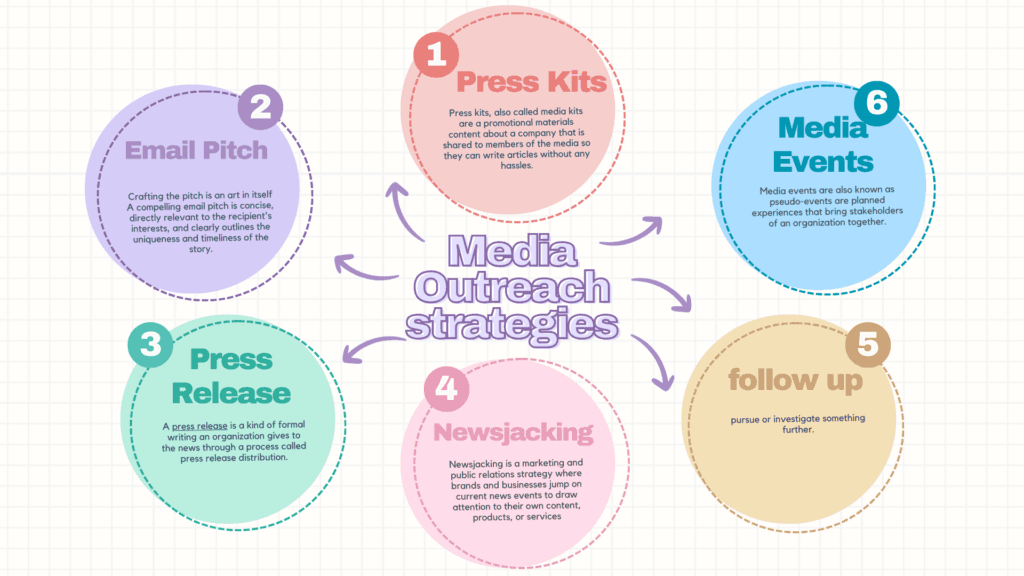
Journalists and newsletter writers are more likely to cover a campaign that is already funded to a meaningful degree than one that just launched. If you have hit a milestone, passed a notable number of backers, or have a compelling story about what has happened since launch, that is a news hook worth pitching.
Podcast outreach is slower, but worth starting if you have not already. Relevant podcasts in your product's category often have highly engaged audiences who are exactly the kind of people who back crowdfunding campaigns. Even a single appearance on a well-matched show can send a wave of new traffic and pledges.
Look at Your Reward Tiers Again
Sometimes a campaign stalls in the middle, not because of traffic or messaging but because the reward structure stops making sense to new visitors.
Your early bird tier may have sold out, leaving a gap between nothing and your main tier that feels too big. Your main tier might be priced at a point that requires a lot of consideration for a first-time visitor who has not been warmed up over weeks of pre-launch content. Your premium tier might not be compelling enough to justify its price for people who are encountering the campaign for the first time.
Adding a new tier at a strategic price point can unlock a segment of potential backers who were sitting out because nothing on offer matched their willingness to pay.
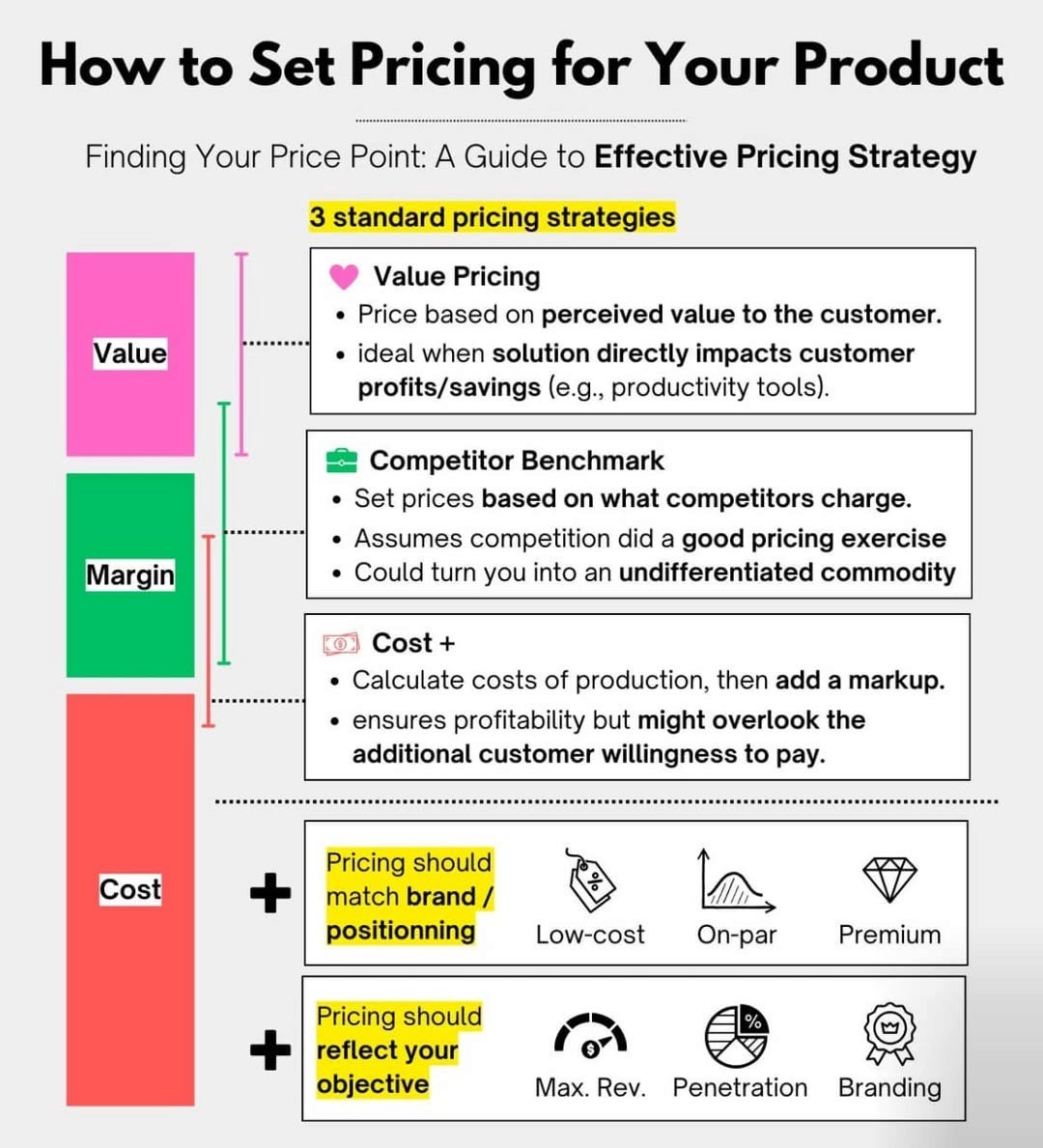
A mid-range tier that sits between your base and main options, or a limited bundle that adds perceived value without dramatically increasing your fulfillment cost, can restart conversion without requiring any changes to your existing structure.
Be careful with this. Do not add tiers just for the sake of having more options. Add them because there is a clear gap in your current structure that a meaningful segment of your traffic is falling through.
Use Urgency Without Faking It
Urgency is one of the most powerful conversion drivers in crowdfunding, and it is at its weakest in the middle of a campaign.
The deadline is still weeks away. The early bird discount has already closed. There is nothing specific pushing someone who is on the fence to act today rather than next week.
Creating real urgency in the middle of the campaign requires something genuine to point to. A limited quantity reward tier that is genuinely close to selling out. A stretch goal that is within reach if backers act this week. A component or material that needs to be ordered by a specific date to maintain your production timeline. A manufacturing window that closes if you do not hit a certain number by a certain date.
These are all real things that real campaigns deal with. If any of them apply to your situation, talk about them. Do not manufacture urgency out of nothing. Backers who feel manipulated by fake countdown timers and artificial scarcity lose trust in you and in the campaign. But if you have a real and honest reason why acting sooner matters, say so clearly and say it often.
Reach Out to Your Existing Backers
Your current backers are one of your most underused assets in the middle of a campaign.
These are people who believed in you enough to put money down. They want you to succeed. And most of them have not thought about sharing the campaign since they backed it on day one.
A personal, heartfelt backer update that tells them where things stand, thanks them for being part of it, and gives them something specific and easy to share can generate a meaningful wave of organic referrals. Not every backer will share. But even five or ten percent of your backer base actively sharing your campaign to their networks can produce pledges that no ad budget would have reached.
Make sharing as easy as possible. Give them the exact language they can use. Give them a direct link. Give them a reason to feel proud of being associated with what you are building, because people share things that reflect well on them.
Do Not Wait Too Long to Act
The mid-campaign slump is manageable if you catch it early. It becomes significantly harder to reverse the longer you wait.
A campaign that has been flat for three or four days needs attention. A campaign that has been flat for ten days has a much steeper hill to climb, and the final push urgency that would naturally close the gap may not be enough if the gap has grown too large.
Watch your daily pledge numbers closely throughout the campaign. Set a mental threshold for yourself before you launch. Something like: if daily pledges drop below a certain number for more than three consecutive days, that is the signal to activate your mid-campaign plan. Having that trigger defined in advance means you act on data rather than optimism.
The worst thing you can do in a stalled campaign is nothing, on the theory that things will pick back up on their own. Sometimes they do. More often, they do not.
A Stall Is Not a Failure
Most campaigns that end successfully went through a period in the middle where things felt uncertain. The funded campaigns are not the ones that never slowed down. They are the ones where the creator saw the slowdown coming, had a plan for it, and executed that plan without panicking.
The mid-campaign slump is a problem with solutions. Traffic, creative, messaging, community, press, stretch goals, backer outreach. You have more tools available than it might feel like when you are staring at a pledge counter that has not moved in days.
If your campaign has stalled and you want a second opinion on what is actually wrong and what to do about it, SVBY has helped campaigns recover from exactly this situation and go on to raise over $50,000 on Kickstarter. Book a free 30-minute call, and let's figure out what your campaign needs right now.