The Real Cost of Running a Crowdfunding Campaign (Nobody Talks About This)
Apr 9, 2026
Everyone talks about how much money you can raise on Kickstarter. Nobody talks about how much it costs to get there.
That gap between what people expect and what crowdfunding actually costs is one of the main reasons creators end up in trouble. They hit their funding goal, feel great about it, and then slowly realize that after platform fees, production costs, shipping, taxes, and everything else they did not account for, the margin they thought they had is gone. Sometimes they end up owing money on a campaign they technically "won."
This is not a scare piece. Crowdfunding is a genuinely powerful way to bring a product to life. But going in with a clear picture of the real costs involved is the difference between a campaign that builds something and a campaign that burns the creator out financially.
Here is what it actually costs to run one.
Platform Fees Are Just the Beginning
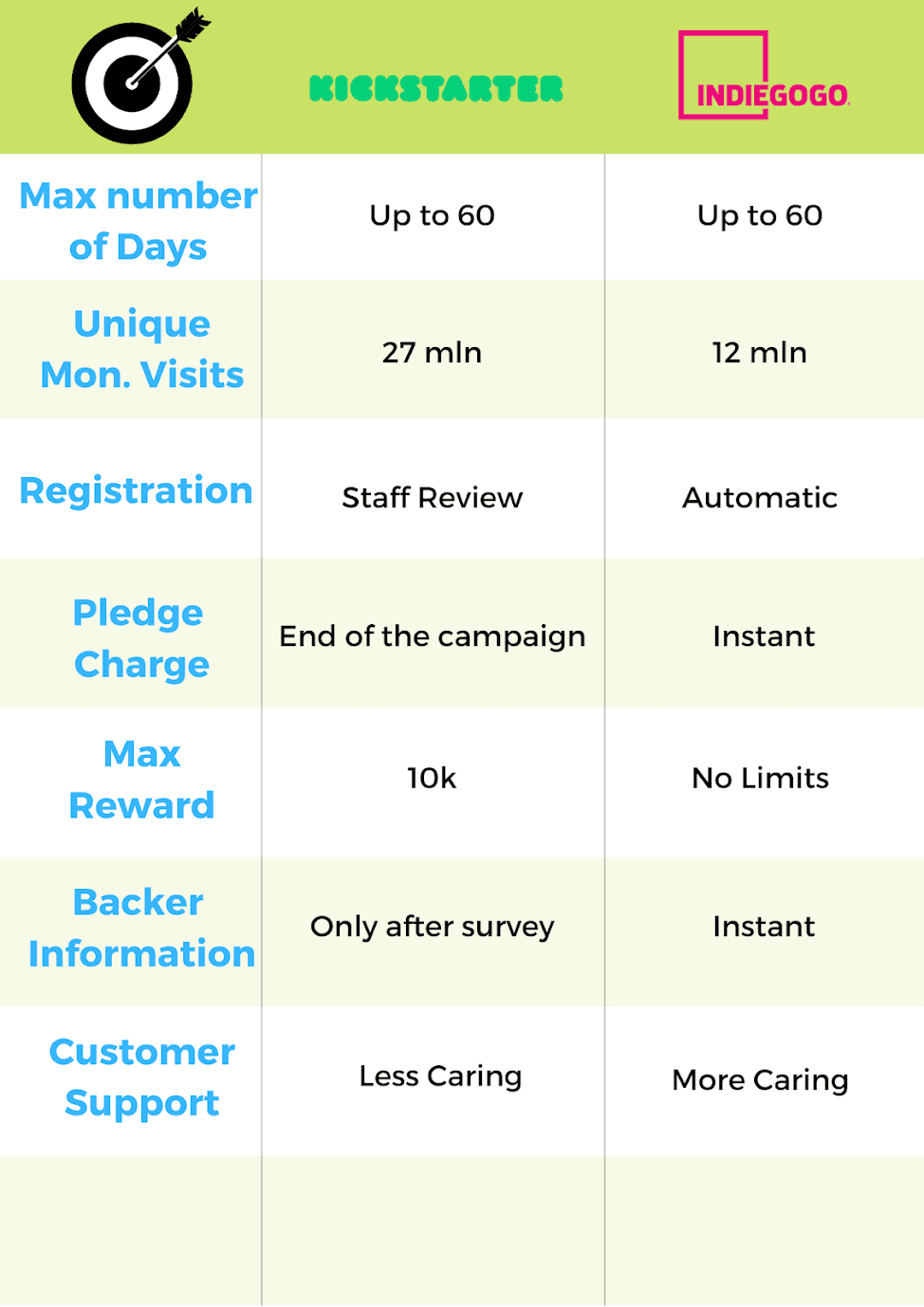
The first cost most people know about is the platform fee. Kickstarter and Indiegogo both charge 5 percent of whatever you raise. That is straightforward enough.
What people underestimate is the payment processing fees that sit on top of that. These typically run between 3 and 5 percent, depending on the payment method and the backer's location. So before you have spent a single dollar on anything else, you are already losing 8 to 10 percent of every pledge to fees.
On a $50,000 campaign, that is $4,000 to $5,000 gone before you do anything with the money. On a $100,000 campaign, you are looking at $8,000 to $10,000 in fees alone.
Factor this into your funding goal from the start. Your goal should reflect what you need to actually deliver on the campaign, not just the headline number you want to hit.
The Campaign Page Itself Costs Money
A campaign page is a sales page, and a good one requires real investment.
The single most important asset on your page is the campaign video. Study after study from Kickstarter's own data shows that campaigns with a video raise significantly more than those without one. But a video that actually converts does not come cheap. A professionally produced campaign video from a decent production team can cost anywhere from $2,000 to $10,000, depending on complexity, location, and what you need to show.
You can produce something on a smaller budget if you have the right skills or know the right people. But "I'll just film it on my phone" rarely works for physical product campaigns where backers need to see the product clearly, understand how it works, and feel confident enough to hand over money for something that does not exist yet.
Beyond the video, you need product photography, graphic design for the page layout, and copywriting if you are not confident writing persuasive sales copy yourself. Put together, the creative assets for a solid campaign page typically cost between $1,500 and $8,000 for a first-time creator working with professionals.
Pre-Launch Marketing Is Its Own Budget Line
Building the email list and audience you need before launch is not free, and treating it like it is will hurt you.
Running Meta ads to collect pre-launch email subscribers typically costs between $2 and $8 per lead, depending on your targeting, your creative, and how competitive your category is. If you want 1,000 warm subscribers before launch, which is a reasonable goal for a mid-sized campaign, you are looking at $2,000 to $8,000 in ad spend just for the pre-launch phase.
Add to that any tools you are using. Email marketing platforms, landing page software, ad management, if you are hiring someone to run your ads, and any content creation costs for the social media presence you are building in parallel. A realistic pre-launch marketing budget for a first-time creator runs between $3,000 and $15,000, depending on how aggressively you are building your audience and whether you are doing any of the work yourself.
Some creators spend less than this and still succeed. But they usually compensate with an existing audience they have built over the years, or a genuinely viral product that spreads on its own. Those situations exist, but you should not plan your campaign around being the exception.
Paid Ads During the Campaign Are Not Optional
Pre-launch ads get people to your email list. Launch-phase ads get people to your campaign page. These are two different things and two different budget lines.
Once your campaign is live, you will almost certainly need to run retargeting ads to bring back people who visited your page but did not back you, and prospecting ads to reach new potential backers throughout the campaign. The conversion rates on crowdfunding ads are lower than those of typical e-commerce because you are asking someone to pay now for something they will receive later, which requires more trust.
A realistic paid ads budget for the campaign period itself runs between $3,000 and $20,000, depending on your goal, your category, and how much organic traction you are getting. Some campaigns spend more. Some spend less. But if you have no budget allocated for this and you are not sitting on a massive pre-built audience, the middle weeks of your campaign are going to be very quiet.
Prototypes and Product Development Cost More Than You Think
If you are launching a physical product, the cost of getting to a prototype that is good enough to photograph and film for your campaign is often higher than first-time creators expect.
Early prototypes are rarely cheap. Depending on what you are building, you might go through two or three iterations before you have something that looks and functions the way it needs to for the campaign. Each iteration costs time and money. Manufacturing quotes take longer to get than you planned. Materials cost more than you budgeted.
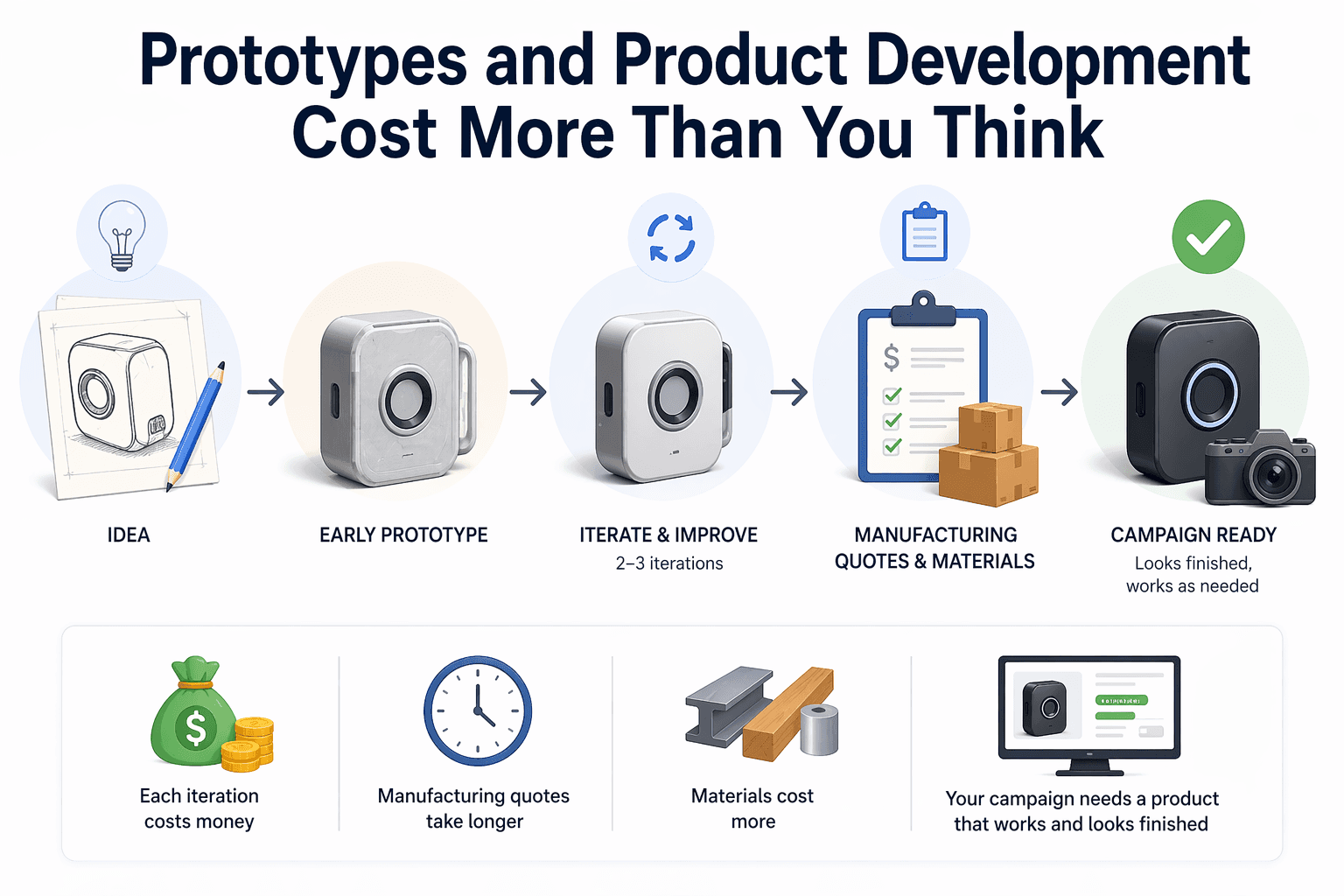
This is not unique to crowdfunding. It is just the reality of bringing a physical product into the world. But it matters here because your campaign page needs to show a product that works and looks finished, even if it is technically still a prototype. Getting to that point costs money that often does not show up in early campaign budgets.
Fulfillment Will Eat More of Your Margin Than You Expect
This is the one that catches the most creators off guard, especially first-timers.
Fulfillment means manufacturing the actual units, packaging them, and shipping them to backers all over the world. Every one of those steps has a cost, and every one of those costs tends to be higher in reality than in the spreadsheet you made six months before your campaign launched.
Manufacturing minimums are often higher than you planned for. Packaging that looks good enough to match your campaign's branding costs more than plain boxes. International shipping rates are brutal, and they have only gotten worse in recent years. Import duties and customs fees in certain countries can add a high cost on top of already expensive shipping.
Then there is the reality of delays. Most first-time crowdfunding campaigns ship later than promised. Every month of delay costs money in storage, communication, customer service, and sometimes in refunds from backers who lose patience. Building a buffer into your timeline and your fulfillment budget is not pessimistic. It is just honest planning.
A rule of thumb that experienced creators use: take your initial fulfillment estimate and add 20 to 30 percent as a contingency. You may not need all of it. But if something goes wrong during manufacturing or shipping, which it often does, you will be very glad you planned for it.
Taxes Are Real, and They Will Surprise You
Crowdfunding income is taxable. The specific rules vary depending on where you are based and where your backers are located, but the general principle holds across most countries: money you raise through crowdfunding is considered income, and income gets taxed.
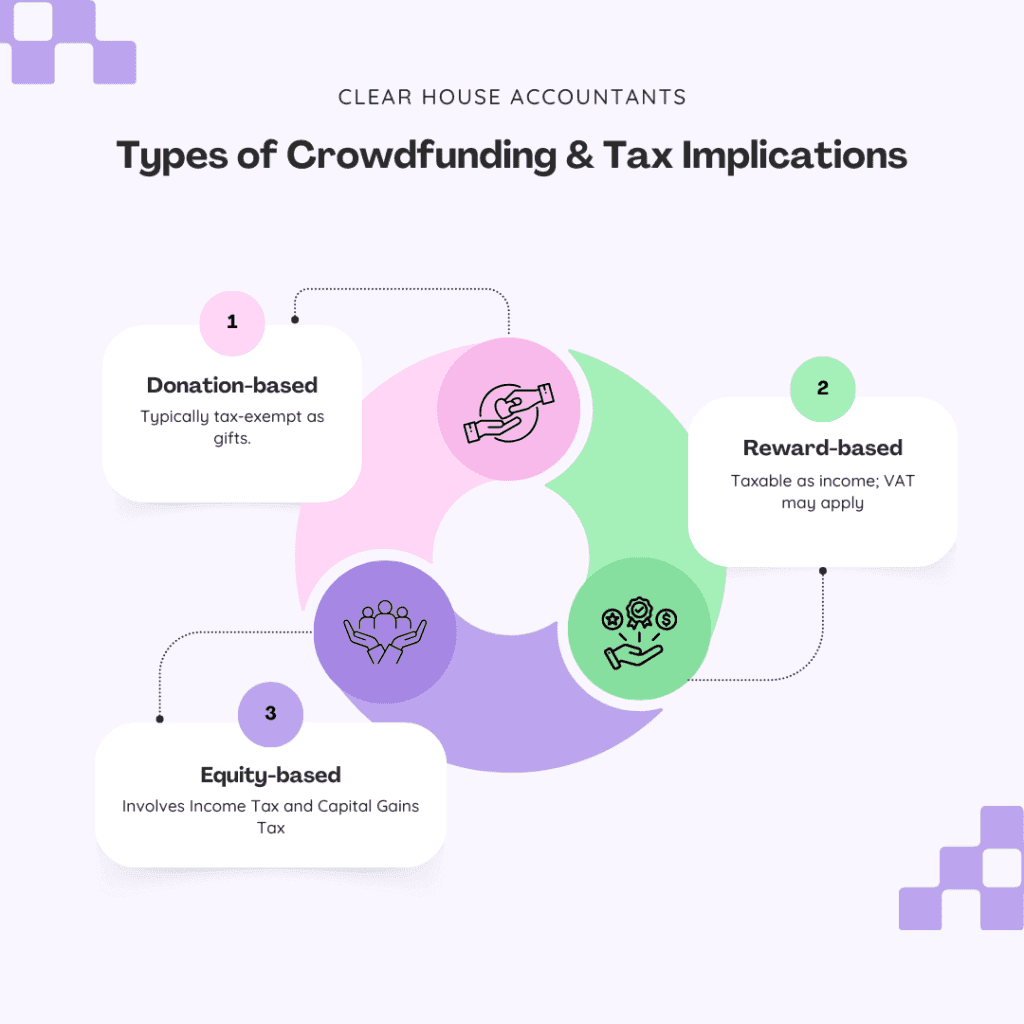
Many first-time creators do not think about this until they are filing their taxes after the campaign ends and suddenly realize a meaningful chunk of what they raised belongs to the government. On a $100,000 campaign, that can be a very uncomfortable surprise.
Work with an accountant who understands crowdfunding or e-commerce before you launch, not after. The cost of that conversation is a fraction of what you might lose by not having it.
So What Does a Crowdfunding Campaign Actually Cost?
Putting it all together, here is a rough picture of what a reasonably well-run first campaign might cost before it raises a single dollar.
Pre-launch marketing and list building typically run $3,000 to $15,000. Campaign page production, including video, photography, and design, typically runs $3,000 to $15,000. Prototype and product development vary widely but are rarely under $2,000 and often much higher. Paid ads during the campaign typically run $3,000 to $20,000. Platform and payment processing fees take 8 to 10 percent of whatever you raise. Fulfillment costs depend heavily on your product, but the contingency buffer alone should be 20 to 30 percent above your initial estimate.
For a campaign targeting $50,000 in funding, total costs including platform fees and fulfillment can easily reach $30,000 to $40,000 or more. That does not mean the campaign is not worth doing. It means you need to know the real numbers going in so you can set a goal that actually covers them.
Knowing the Costs Is How You Win
None of this is meant to talk you out of launching. Plenty of campaigns are profitable, and crowdfunding remains one of the best ways for independent creators to bring products to life without giving up equity or taking on debt.
But the creators who succeed financially are almost always the ones who went in with a clear and honest picture of what it actually costs, built those costs into their goal from the start, and treated their campaign like a business rather than a bet.
If you want help running the real numbers on your campaign before you commit to a goal, SVBY has worked through this with creators who have raised over $50,000 on Kickstarter. Book a free 30-minute call, and let's make sure your campaign is set up to actually make financial sense.