Your Crowdfunding Campaign Failed. Here's Why (And What to Do Instead)
Apr 5, 2026
Most people who launch a crowdfunding campaign think the hardest part is building the product. It isn't. The hardest part is getting strangers on the internet to trust you enough to hand over their money before the product even exists.
That's a completely different skill, and most first-time launchers learn it the hard way, after the campaign is already live and quietly dying.
This guide breaks down the real reasons campaigns fail, and what you should actually be doing instead.
You Launched Without an Audience
This is the number one killer of otherwise great campaigns.
Kickstarter and Indiegogo are not marketplaces designed for browsing and discovering new products.They're platforms where momentum matters. The algorithm rewards campaigns that hit their goal fast, usually within the first 24 to 48 hours. If you launch cold with zero pre-built audience, you're asking a platform full of strangers to take a chance on you with no social proof whatsoever.
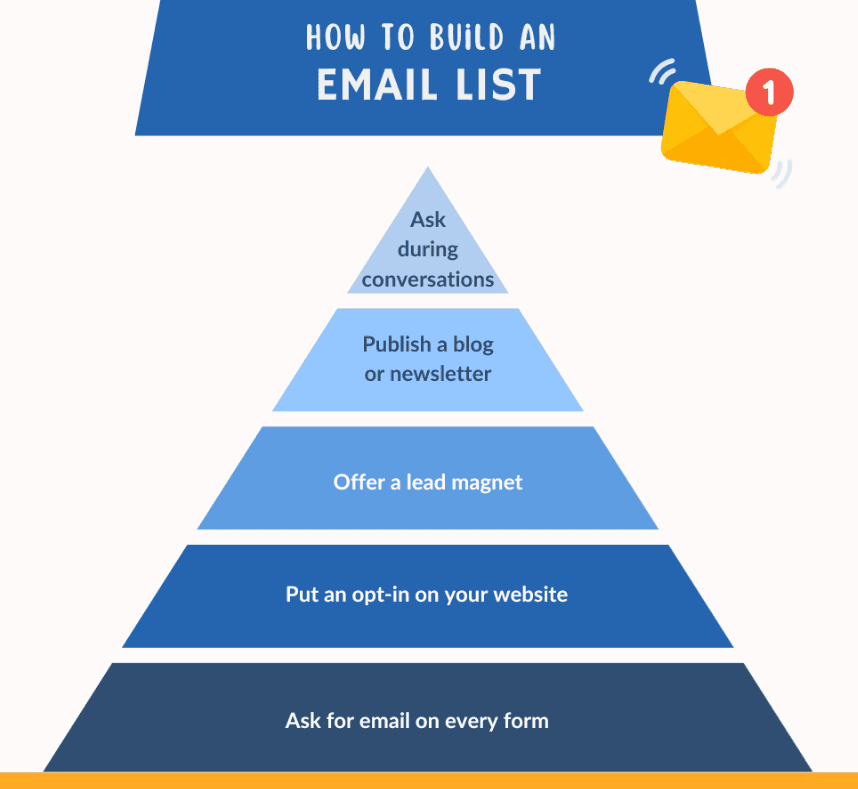
What works instead: Start building your email list at least 60 to 90 days before launch. Create a simple landing page, run some traffic to it, and collect leads from people who are genuinely interested in what you're building. Even 500 warm subscribers who actually open your emails can fund your first 30%, which is often enough to trigger the algorithm and bring in organic backers on its own.
Your Reward Tiers Were Priced Wrong
Pricing your rewards is part psychology, part math, and most first-timers get both wrong.
The most common mistake is pricing everything too high because you're nervous about underselling, or too low because you're scared no one will back you. Both approaches hurt you.
If your early bird tier is too expensive, your first-day numbers suffer. And those numbers set the tone for everything that follows. If it's too cheap, you attract backers who were never really your target customer, and you often end up losing money on fulfillment.
A solid reward structure has three to four tiers. The early bird sits just below your main price and creates urgency. The main tier is your hero offer, the one most backers will naturally pick. A premium tier exists for your most enthusiastic supporters who want more and are happy to pay for it.
Your Campaign Page Did Not Actually Sell Anything
A campaign page is a sales page. Full stop. If yours reads like a product spec sheet or a passion project update, it's not going to convert.
People do not back campaigns because the product is clever. They back campaigns because they can see themselves using it, because they trust the person behind it, and because the page makes them feel like they'd be missing out if they didn't act now.
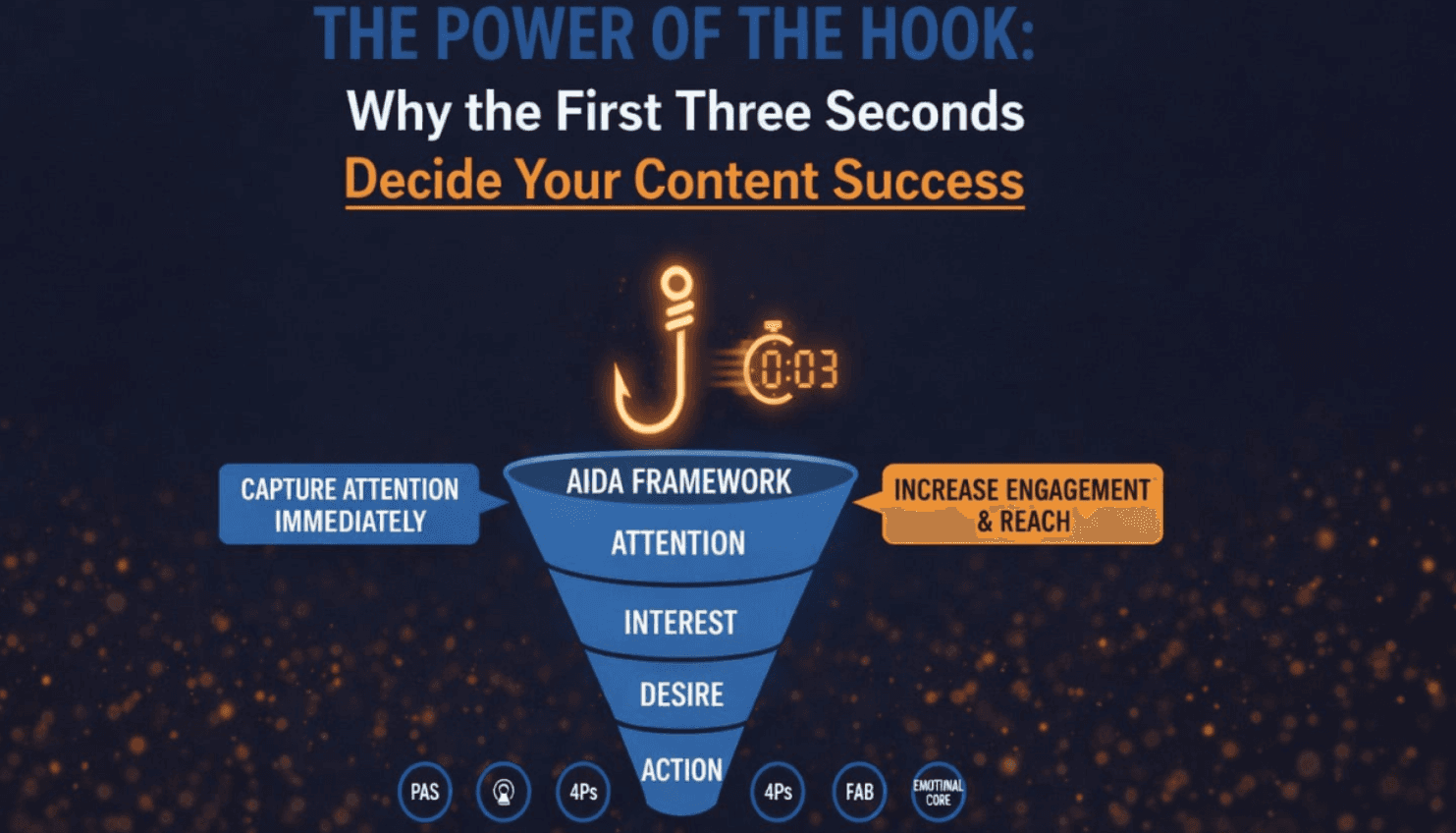
Your page needs a strong hook in the first few seconds, a clear explanation of what the product does and who it's for, real social proof if you have it, and a reason to back today rather than waiting.
Founders who treat their campaign page as a technical document almost always struggle. The ones who treat it like a conversation with a potential customer tend to do a lot better.
You Ignored the First 48 Hours
The launch window is not just important. It's everything.
Crowdfunding platforms pay very close attention to how quickly a campaign gains momentum. A campaign that hits 30 to 50 percent of its goal within the first two days gets pushed up in search results, gets featured in newsletters, and starts attracting backers who never would have found it otherwise.
This means your launch day needs to be treated like an event, not a post. You need your email list ready to go. You need your social community warmed up. You need friends, family, and early supporters lined up to back you on day one, not day five.
The campaigns that blow past their goal in the first week almost always had most of that momentum pre-planned before the campaign ever went live.
You Had No Real Marketing Plan After Launch
A lot of founders spend months preparing for launch day and then have absolutely no idea what to do on day two.
The middle of a campaign is where most of them stall. The early excitement dies down, the algorithm stops pushing you, and suddenly the pledge counter freezes. This is completely normal, but you have to plan for it.
What keeps campaigns alive during the middle stretch: consistent content that gives people a reason to keep sharing, press outreach to blogs and newsletters in your niche, retargeting ads to people who visited your page but didn't back you, and regular backer updates that keep your existing supporters engaged and talking about you.
Running a crowdfunding campaign is a full-time job for its entire duration. The founders who treat it that way are the ones who close strong.
What This All Comes Down To
The difference between a funded campaign and a failed one is rarely the product. Plenty of brilliant products have launched to crickets. Plenty of simple, unglamorous ones have raised hundreds of thousands of dollars.
What separates them is preparation, strategy, and execution.
If you're planning a launch and want to make sure you're not walking into the most common traps, SVBY has helped campaigns raise tens of thousands of dollars on Kickstarter by handling exactly this kind of work. You can book a free 30-minute call and talk through where you are and what your campaign actually needs.
Your idea deserves a real shot. Give it one.