How to Run Paid Ads for Your Crowdfunding Campaign Without Wasting Budget
Apr 16, 2026

Paid ads can make or break a crowdfunding campaign. They can also drain your entire marketing budget in three days and leave you with nothing to show for it.
The difference between those two outcomes is not how much you spend. It is how intelligently you spend it.
Most first-time crowdfunding creators approach paid ads in one of two ways. They either avoid them entirely because they feel complicated and expensive, or they throw money at them without a real strategy and wonder why the results are so disappointing. Neither approach works.
This guide covers how to actually run paid ads for a crowdfunding campaign, from the pre-launch phase all the way through to the final days, without burning through your budget on audiences and creatives that were never going to convert.
Understand What You Are Actually Selling
Before you touch your ad account, you need to be clear on something that trips up a lot of crowdfunding advertisers.
You are not selling a product. You are selling a promise.
In a normal e-commerce context, someone sees an ad, clicks through, and buys something they can receive in a few days. The risk is low, and the friction is low. In crowdfunding, someone sees your ad, clicks through, and is asked to pay now for something they will receive months from now, from a creator they have never heard of, on a platform they may have never used.
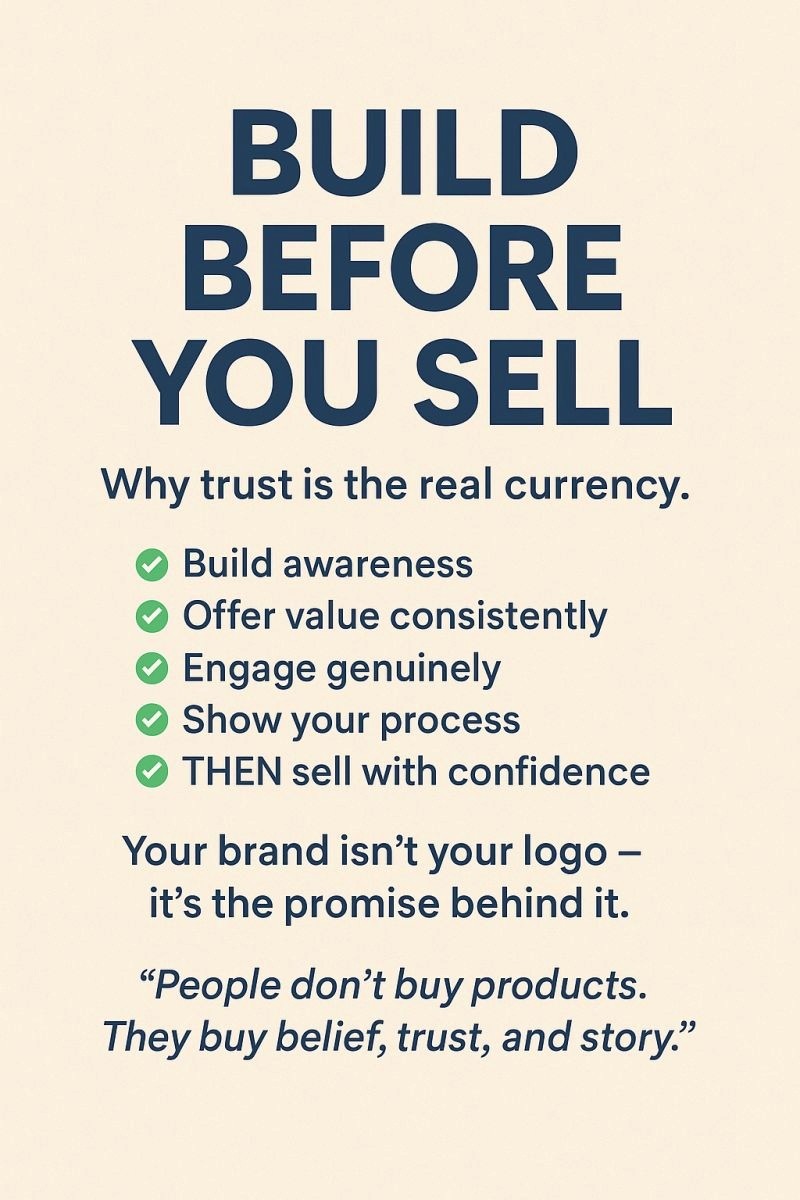
That is a completely different ask. And your ads need to be built around reducing that friction and building that trust, not just showcasing product features and hoping for the best.
Every ad you run should do one of two things. Either it brings someone into your world for the first time and gets them curious enough to learn more, or it re-engages someone who already knows about you and gives them the final push they need to back you. Those are two different jobs, and they require two different types of ads.
Pre-Launch Ads Are a Different Game
The ads you run before your campaign goes live have one job: build your email list.
You are not trying to sell anything yet. You are trying to find the people who are most likely to become backers and get their email addresses so you can warm them up before launch day.
Pre-launch ads typically send people to a simple landing page with an email capture form. The offer is usually an early bird discount, exclusive access, or some kind of first-look opportunity. The creative is usually simple because at this stage, you are testing audiences and learning what resonates, not optimizing for maximum polish.
Start with a small daily budget, somewhere between ten and thirty dollars a day, and run multiple ad sets targeting different audiences simultaneously. This is how you figure out who actually responds to what you are building before you have spent serious money.
The audiences worth testing in the pre-launch phase typically include people who have backed similar campaigns on Kickstarter before, people with interests directly related to your product category, lookalike audiences based on your existing contacts, if you have a list to work from, and broad interest audiences in your product's general space.
Run each audience for at least five to seven days before drawing conclusions. Ad performance in the first day or two is often misleading. Give the algorithm time to learn and optimize before you decide what to keep and what to cut.
The Most Important Metric in Pre-Launch Ads
A lot of first-time advertisers focus on cost per click as their primary metric. It feels intuitive. Cheaper clicks mean more traffic for less money.
The problem is that cost per click tells you almost nothing useful. A cheap click from someone who bounces off your landing page in two seconds is worthless. An expensive click from someone who signs up for your email list and later backs your campaign at your highest reward tier is extremely valuable.
The metric you actually care about in pre-launch is cost per lead, which is how much you are spending on average to get one email subscriber. A reasonable cost per lead for crowdfunding pre-launch campaigns typically falls between two and eight dollars, depending on your category, your creative, and your targeting. If you are consistently above that range, something needs to change. If you are below it, think carefully about whether those leads are actually converting before you scale up.
Track your cost per lead by audience and by creative separately. This tells you not just what is working but why it is working, which is the information you need to make good decisions when you scale.
Launch Phase Ads: The First Week
When your campaign goes live, your ad strategy shifts significantly.
You now have two types of people to reach. The warm audience of people who engaged with your pre-launch content but did not sign up for the email list, and the cold audience who have never heard of you at all.
Start with your warm audiences because they are your highest converting traffic. Run retargeting ads to everyone who visited your landing page during pre-launch but did not subscribe, everyone who engaged with your social content, and everyone on your email list who did not back you on launch day. These people already know what you are building. Your ads to them do not need to explain much. They need to create urgency and remind them why they were interested in the first place.
For cold audiences in the first week, use the best performing audiences and creatives from your pre-launch testing as your starting point. Do not start from scratch. You already have real data telling you who responds to your product. Use it.
Your ad creative in the launch phase should lean heavily on social proof. Number of backers, percentage funded, press coverage if you have it, backer testimonials if you can get them quickly. A campaign that is already 40 percent funded looks like a safer bet to a new visitor than one sitting at 5 percent. If your first 48 hours went well, your ads should be telling that story.
How to Structure Your Ad Creative
The single biggest driver of ad performance in crowdfunding is creative quality. Not targeting. Not budget. Creative.
A great ad in front of a decent audience will outperform a mediocre ad in front of a perfect audience almost every time. This is where it is worth spending real time and, if necessary, real money.
For crowdfunding campaigns, video ads consistently outperform static images. Short, direct videos that open with the problem and show the product solving it in the first three seconds tend to work best. You do not need cinematic production quality. You need clarity and authenticity. A founder talking directly to the camera about the problem they built their product to solve will often outperform a polished brand video that looks expensive but feels distant.
Static image ads still have a place, particularly for retargeting, where the person already knows what the product is and you just need something that catches their eye and reminds them to come back. Clean product photography with a short, punchy headline works well here.
Test at least three to four different creatives at launch. Never rely on a single ad. Audiences respond differently, platforms favor different formats at different times, and creative fatigue sets in faster than most people expect. Having multiple creatives running gives you options when something stops performing.
Budgeting Your Ad Spend Across the Campaign
One of the most common mistakes in crowdfunding ad management is spending too much too fast.
Creators get excited about early results, scale up their budget aggressively in the first week, and then have nothing left for the final push when campaigns typically see their second big spike in backing.
A more sustainable approach splits your budget across three phases. Roughly 30 percent goes to the pre-launch list-building phase.
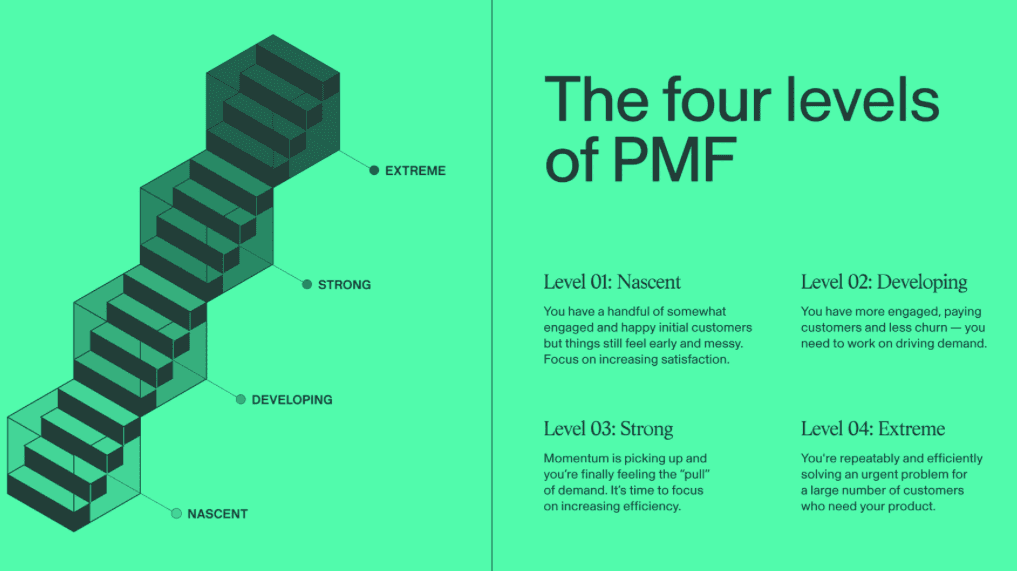
Roughly 40 percent goes to the first week of the campaign when momentum matters most. The remaining 30 percent is held back for the final three to five days of the campaign, when urgency naturally increases and conversion rates tend to be at their highest.
This is not a rigid formula. If your first week is performing exceptionally well and you have budget flexibility, scaling up makes sense. If your pre-launch ads found an audience that converts cheaply and reliably, putting more into that phase makes sense. But the principle of reserving budget for the end of the campaign is sound and widely used by experienced crowdfunding marketers.
The Middle of the Campaign Is Where Most Ad Strategies Fall Apart
The middle stretch of a crowdfunding campaign, roughly days seven through twenty for a thirty-day campaign, is where momentum typically slows and where ad performance often starts to decline.
This happens for a predictable reason. Your warmest audiences have already converted. The people most likely to back you from your email list, your social followers, and your retargeting pool have largely done so. Now you are trying to reach colder audiences who need more convincing.
A few things help here. Refreshing your creative with new content keeps your ads from fatiguing. Backer testimonials and social proof that have built up during the first week can be incorporated into new ads. A mid-campaign update featuring a stretch goal or a new development gives you something genuinely new to advertise.
This is also the phase where press coverage, if you have been doing outreach, tends to land. A feature in a relevant
newsletter or blog gives you a piece of third-party content that can be used in ads as social proof. "As featured in" is a line that still works.
The Final Push
The last three to five days of a crowdfunding campaign almost always see a natural increase in backing as the deadline creates genuine urgency. Your ad strategy should lean into this hard.
Increase your ad spend in the final days if your budget allows. The cost per pledge tends to be lower at the end of campaigns because urgency is doing a lot of the persuasion work for you. People who have been sitting on the fence throughout the campaign suddenly have a concrete reason to act now.
Your ad copy in the final push should be direct about the deadline. Not fake urgency. Real urgency. The campaign ends on a specific date. After that, the early bird pricing is gone, and the product may not be available for pre-order for months. If those things are true, say them clearly.
Retargeting in the final days should be aggressive. Anyone who visited your campaign page and did not convert is a warm lead who ran out of time to decide. Give them a clear reminder that time is almost up, and make it as easy as possible for them to come back and complete their pledge.
Track Everything and Attribute Properly
Running ads without proper tracking is like driving with your eyes closed. You might end up somewhere interesting, but you will have no idea how you got there or how to get back.
At a minimum, make sure your Meta pixel or equivalent tracking is installed correctly on your campaign page and firing on the right events. Most crowdfunding platforms allow you to add a pixel or tracking code to your campaign. If yours does, do it before your campaign goes live.
Set up UTM parameters on every ad link so you can see in your analytics exactly which ad set, which creative, and which audience is driving pledges. This data is what lets you make intelligent decisions about where to put more budget and where to cut.
Check your attribution data every day during the campaign. Not to obsess over it, but to catch problems early and identify opportunities before they pass. An ad set that suddenly drops in performance might have a creative that has been disapproved. An audience that starts converting cheaply might be worth scaling. You only know these things if you are looking.
Know When to Stop Spending
Not every campaign benefits from more ad spend. If your cost per pledge is consistently higher than the average pledge value, your ads are losing you money. If a particular audience is burning through budget with no conversions, no amount of optimization is going to fix a fundamental mismatch between what you are offering and who you are showing it to.
Knowing when to cut an audience, pause a campaign, or redirect budget to a different channel is just as important as knowing how to scale what is working. The goal is not to spend money on ads. The goal is to acquire backers at a cost that makes financial sense for your campaign.
Set a maximum acceptable cost per pledge before you launch and use it as your decision-making anchor throughout the campaign. If you go above it for more than two or three days with a particular approach, change something, or cut it.
Ads Amplify What Is Already There
The most important thing to understand about paid ads for crowdfunding is that they amplify what already exists. They can accelerate momentum on a campaign that is already working. They cannot create momentum where none exists.
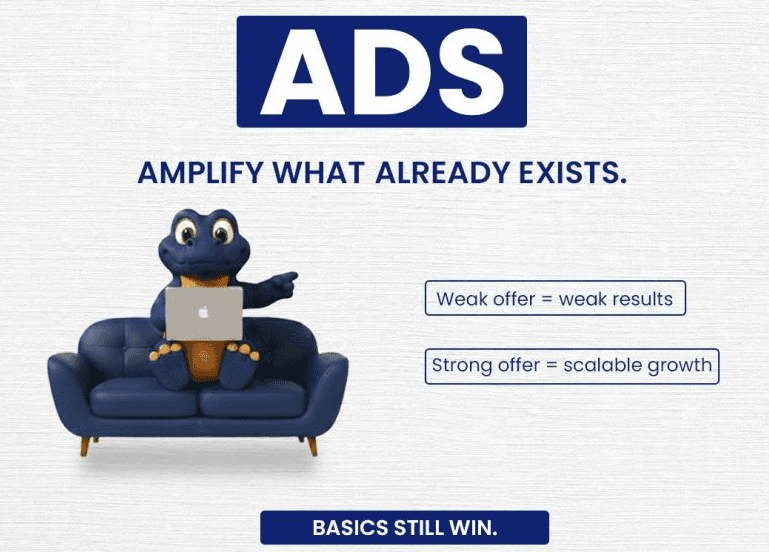
If your campaign page does not convert organic traffic, paid ads will not fix it. If your product does not resonate with the audiences you are targeting, more budget will not change that. If your reward tiers are priced wrong or your video does not do its job, ads will simply show more people a page that does not work.
Get the foundations right first. Then use ads to pour fuel on the fire.
If you want help building a paid ads strategy for your crowdfunding campaign or want someone to manage it for you, SVBY has run ads for campaigns that raised over $50,000 on Kickstarter. Book a free 30-minute call, and let's talk through what your campaign needs.