How to Build an Email List Before Your Crowdfunding Campaign Goes Live
Apr 21, 2026
If there is one thing that separates funded campaigns from failed ones, it is this: the funded ones had an audience waiting before the campaign ever went live.
Not followers. Not likes. An email list.
Social media numbers feel good, but they are unreliable. Algorithms change, reach drops, and a post that took you hours to make gets seen by 3 percent of your audience on a good day. An email list is different. When you send an email, it lands directly in someone's inbox. Someone who signed up specifically because they wanted to hear from you.
Crowdfunding platforms reward early momentum heavily. If you can get a strong chunk of your goal funded in the first 48 hours, the algorithm takes notice and starts pushing your campaign to people who have never heard of you. That early surge almost never happens by accident. It happens because someone built a list and worked it properly before launch day.
Here is exactly how to do that.
Start Earlier Than You Think You Need To
Most first-time creators start thinking about their email list about two weeks before launch. That is too late.
You need a minimum of 60 days of list building before your campaign goes live. Ninety days is better. Some of the most successful campaigns on Kickstarter spent six months building their pre-launch audience before they ever hit the launch button.
The reason is simple. Email lists take time to grow. Paid ads take time to optimize. Content takes time to gain traction. And even once someone signs up, they need time to warm up to you and your product before they are ready to pull out their credit card.
Start now, whatever stage you are at. The best time was three months ago. The second-best time is today.
Build a Simple Landing Page First
Before you can collect emails, you need somewhere to send people.
This does not need to be complicated. A single page with a clear headline, a short description of what you are building, one good image or render of the product, and an email capture form is all you need. Keep the copy focused on what the product does for the person reading it, not on how cool the technology is or how long you spent building it.
Your headline should answer one question immediately: what is this and why should I care? Something like "The first portable espresso maker that fits in your shirt pocket" is ten times more effective than "Revolutionizing the way people drink coffee on the go."
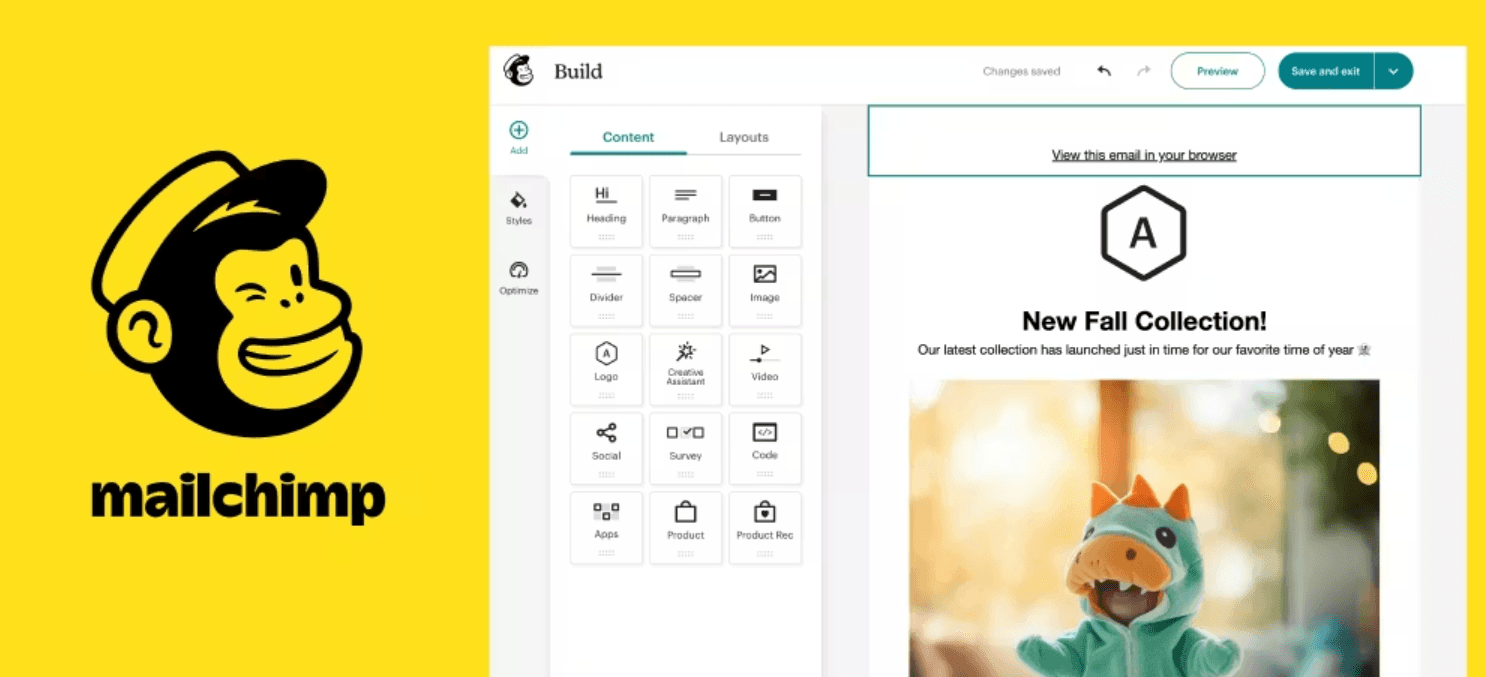
Tools like Kickbooster, Launchrock, or even a simple Mailchimp landing page are perfectly good for this. You do not need a full website. You need one page that does one thing, which is to get someone to enter their email.
Give People a Real Reason to Sign Up
Nobody signs up for a newsletter just because you asked nicely. You need to give them something in exchange for their email address.
The most common approach is an early bird discount. Something like "Sign up to get 30 percent off on launch day" works well because it creates a clear and immediate incentive. The person knows exactly what they are getting and when they will get it.
Other things that work: exclusive access to launch before the general public, a behind-the-scenes look at how the product is being built, a free relevant resource that ties into what your product solves, or a chance to influence the final product by giving early feedback.
The key is that the incentive has to feel genuinely valuable to your specific audience. If you are launching a product for home cooks, a discount is great. If you are launching something for professional photographers, early access and the chance to be seen as an early adopter might be more appealing than a percentage off.
Drive Traffic to That Landing Page
A landing page with no traffic is just a webpage nobody reads. Getting people to it is the actual work.
There are two ways to drive traffic: paid and organic. Both work. Most successful pre-launch campaigns use a mix of both.
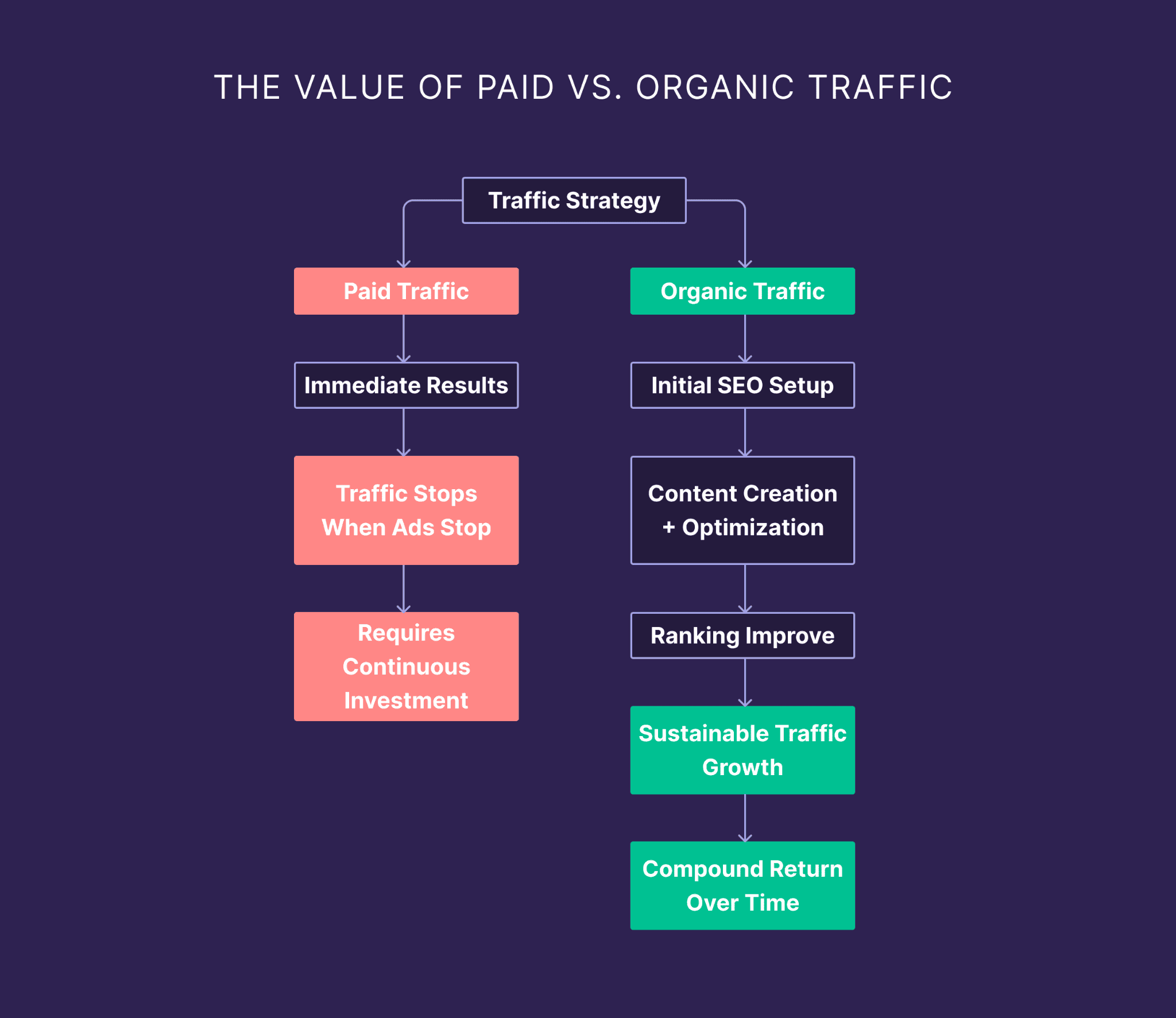
For paid traffic, Meta ads are the most commonly used tool for crowdfunding pre-launch campaigns. You can run simple lead generation ads that send people directly to your landing page, and you can target them by interest, behavior, and demographics with a level of precision that was not available to small creators even ten years ago. You don’t need a large budget to get started. Running 10 to 20 dollars a day while you test different audiences and ad creatives is a reasonable way to learn what works before you scale up.
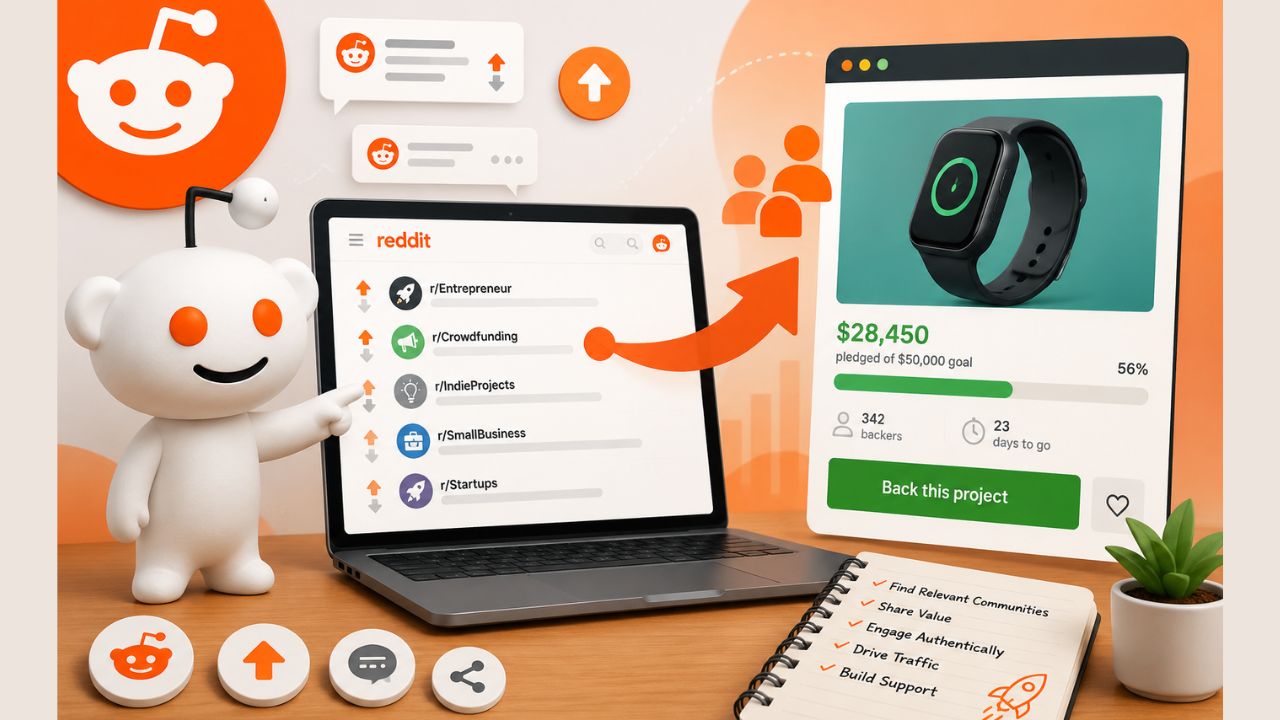
For organic traffic, the channels that tend to work best before a crowdfunding launch are Reddit communities related to your product's category, Facebook groups where your target customer hangs out, YouTube if you are comfortable on camera and can create content around the problem your product solves, and Twitter or LinkedIn, depending on who your audience is. The objective of organic efforts is not to go viral. It is to show up consistently in the places your potential backers already spend time, and to be genuinely helpful and interesting rather than just promotional.
Treat the People on Your List Like Human Beings
This sounds obvious, but most creators get it wrong.
Once someone signs up, they get one automated welcome email and then complete silence until launch day. By the time the campaign goes live, they have completely forgotten who you are and why they signed up in the first place.
Send emails during your pre-launch period. Not every day, but regularly. Once or twice a week is fine. Share updates on how the product is developing. Show them behind-the-scenes photos or videos. Ask them questions and genuinely engage with the replies. Tell them the story of why you are building this thing.
The goal is that by the time your campaign launches, the people on your list feel like they already know you. They are emotionally invested in whether you succeed. Those are the people who back you on day one and who share your campaign with their friends.
A list of 300 people who feel that level of connection will outperform a list of 3,000 people who got one email from you eight weeks ago and barely remember signing up.
Track Everything From the Start
You want to know where your best subscribers are coming from as early as possible, so you can put more effort and budget into what is working and cut what is not.
Use UTM parameters on every link you share so you can see in your email platform or Google Analytics exactly which traffic sources are sending you subscribers. A link from a Reddit post, a Meta ad, and a YouTube video should all have different tracking parameters so you can compare them properly.
Also, track your email open rates and click rates from the beginning. If your open rate drops below 30 percent, your subject lines need work, or you are emailing too frequently. If people are opening but not clicking, your content is not compelling enough, or your calls to action are unclear.
The data is not there to stress you out. It is there to help you make better decisions with the time and money you have available.
What a Realistic Pre-Launch List Size Looks Like
People often ask how big their list needs to be before they launch. There is no magic number, but there are some useful benchmarks.
A list of 500 genuinely interested subscribers is enough to give most campaigns a solid first day if those subscribers are warm and have been hearing from you regularly. A list of 1,000 to 2,000 puts you in a strong position to hit your goal within the first few days and trigger the algorithmic boost that follows. Anything beyond that and you are in very good shape, assuming your campaign page and product are solid.
What matters more than the raw number is the quality of the relationship you have built with those people. 500 engaged subscribers will fund more of your campaign than 5,000 people who clicked an ad six weeks ago and have not heard from you since.
The List Is Not the Finish Line
Building an email list before your campaign is not the whole job. It is the foundation that everything else sits on.
You still need a campaign page that converts, a reward structure that makes sense, a launch day plan, and a strategy for keeping momentum going through the middle weeks of your campaign. But without the list, none of those other things matter as much as they should.
The creators who treat list building as optional and plan to figure it out after they launch are the ones who spend their campaign refreshing the pledge counter and wondering why nothing is happening.
Start building now. Your future backers are out there. They just have not found you yet.
If you want help putting together a pre-launch strategy that actually works for your specific product and audience, SVBY has done this for campaigns that have raised over $50,000 on Kickstarter. Book a free 30-minute call and let's figure out what your campaign needs before it goes live.